
Security Services
Security personnel for industrial, commercial and project sites with dependable coordination.
We provide security personnel deployment for industrial, commercial and project sites, with workforce coordination and supervision. Security services are provided subject to applicable licences and statutory requirements.
Scope of work
1. Security Personnel Deployment

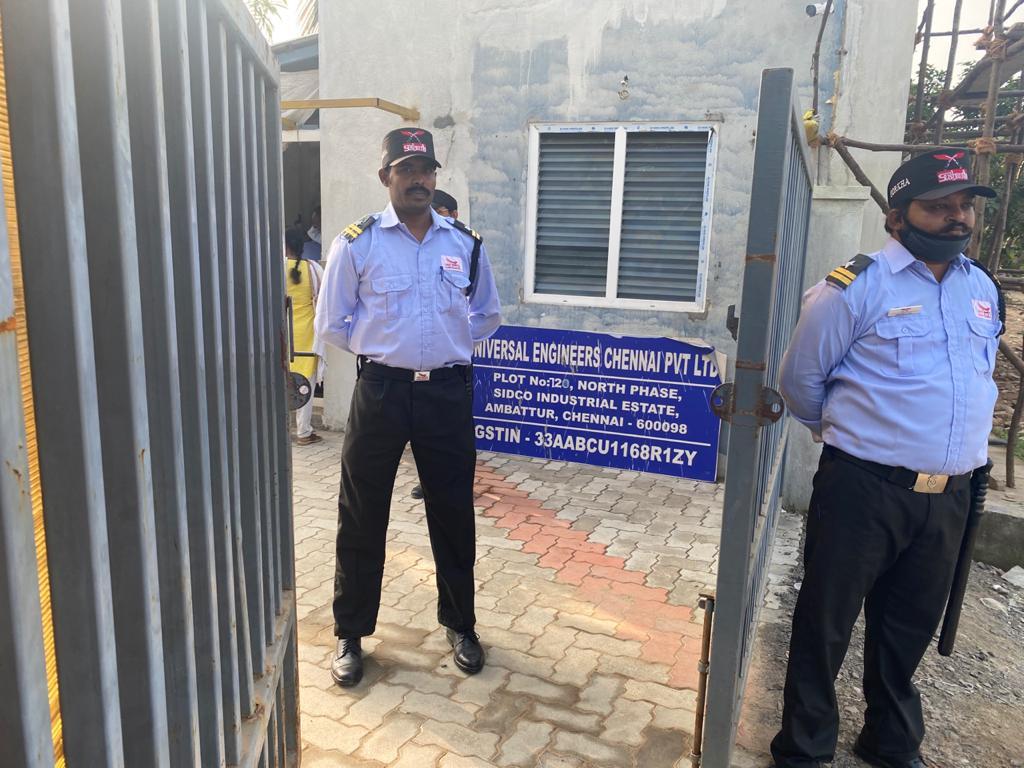





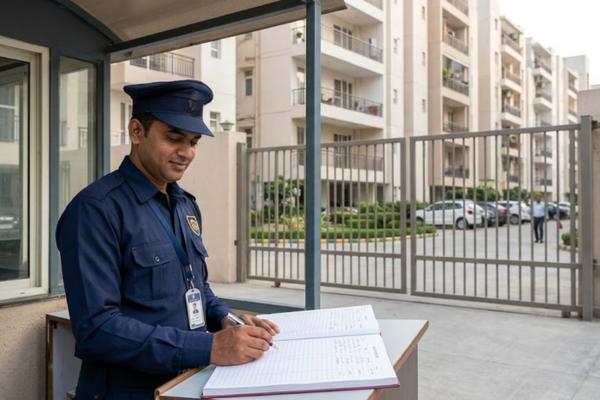
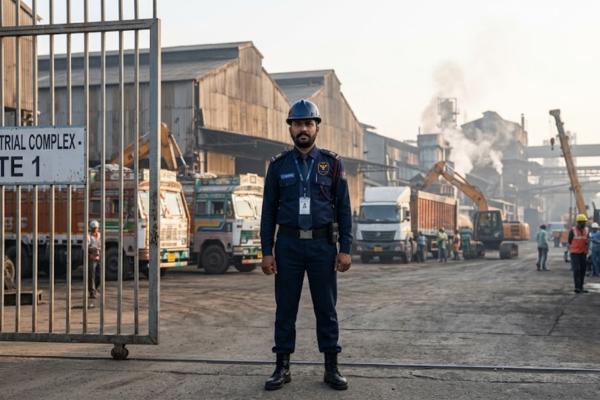

Deployment of Security Personnel
This category includes the deployment of security guards, supervisors, and other authorized security personnel at designated locations and shifts according to clients' security requirements.
A. Security Guards
- Deployment of security guards in offices.
- Security for government and private buildings.
- Gate security at factories and industrial units.
- Deployment of security personnel at construction sites.
- Security for warehouses and storage facilities.
- Security for residential societies and apartment complexes.
- Security at commercial premises and shopping complexes.
- Security for parking areas and entry gates.
- Security arrangements for scheduled events and temporary project sites.
B. Security Supervisors
- Coordinating the duties of security guards.
- Deploying personnel at designated shifts and security posts.
- Checking attendance and duty records.
- Coordinating with the client's authorized representative.
- Monitoring compliance with established security procedures.
- Reporting incidents and security-related issues.
- Arranging replacement security guards whenever required.
C. Deployment Models
- Deployment of security personnel on a daily basis.
- Security services under monthly contracts.
- Shift-based deployment for 24×7 security coverage.
- Security personnel for temporary projects.
- Long-term institutional security contracts.
- Deployment of security personnel across multiple locations.
- Adjusting the number of security personnel according to project requirements.
Potential Clients: Government Offices, Industrial Units, Construction Companies, Hospitals, Educational Institutions, Hotels, Warehouses, and Residential Societies.
Important Note: Security services must comply with applicable licensing and regulatory requirements, including the relevant private security agency regulations, where applicable.
2. Industrial, Commercial and Site Security


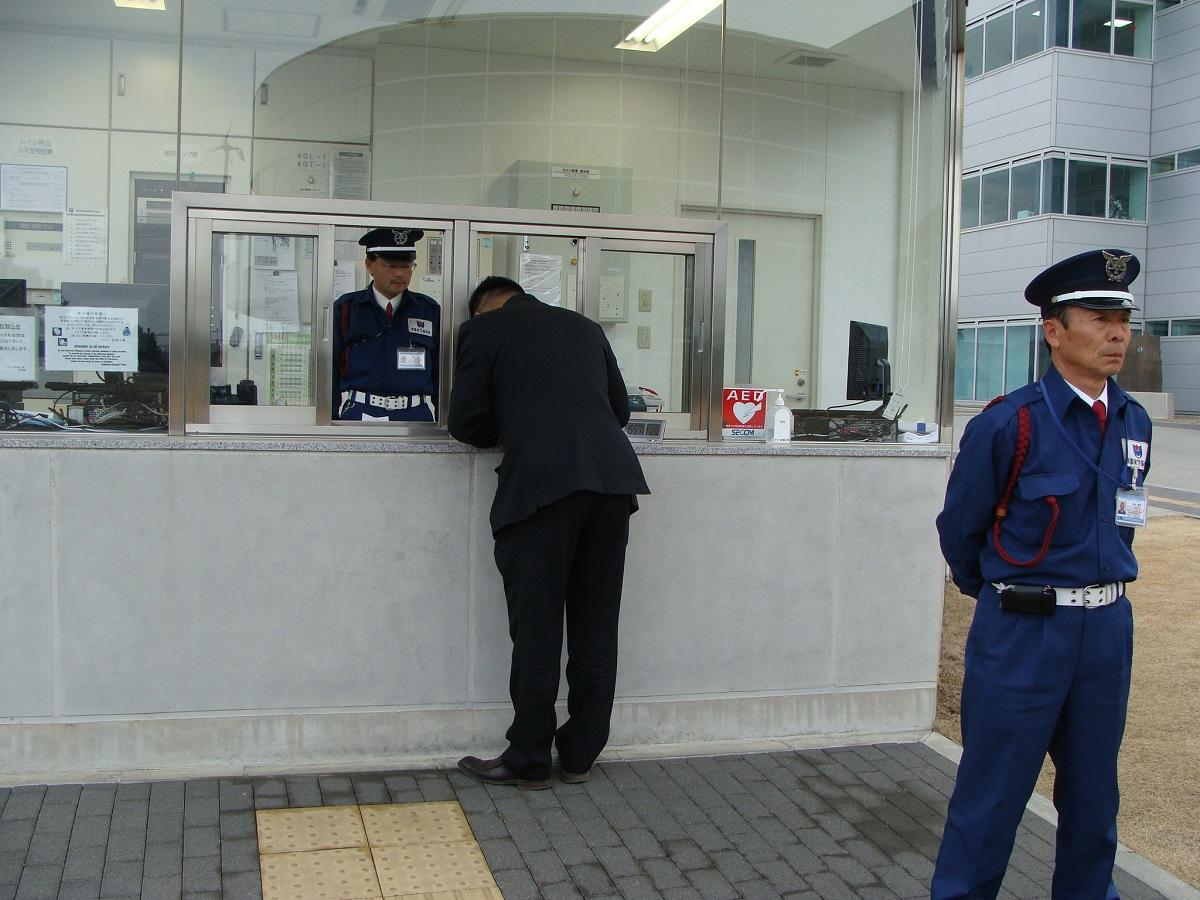
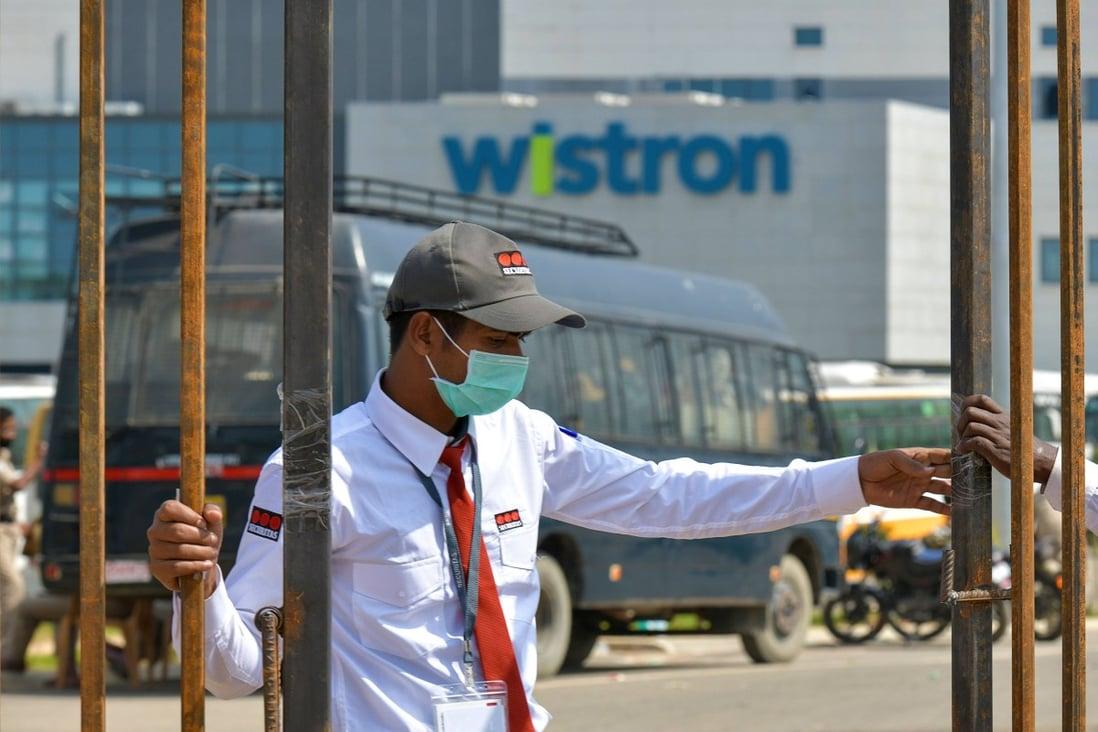
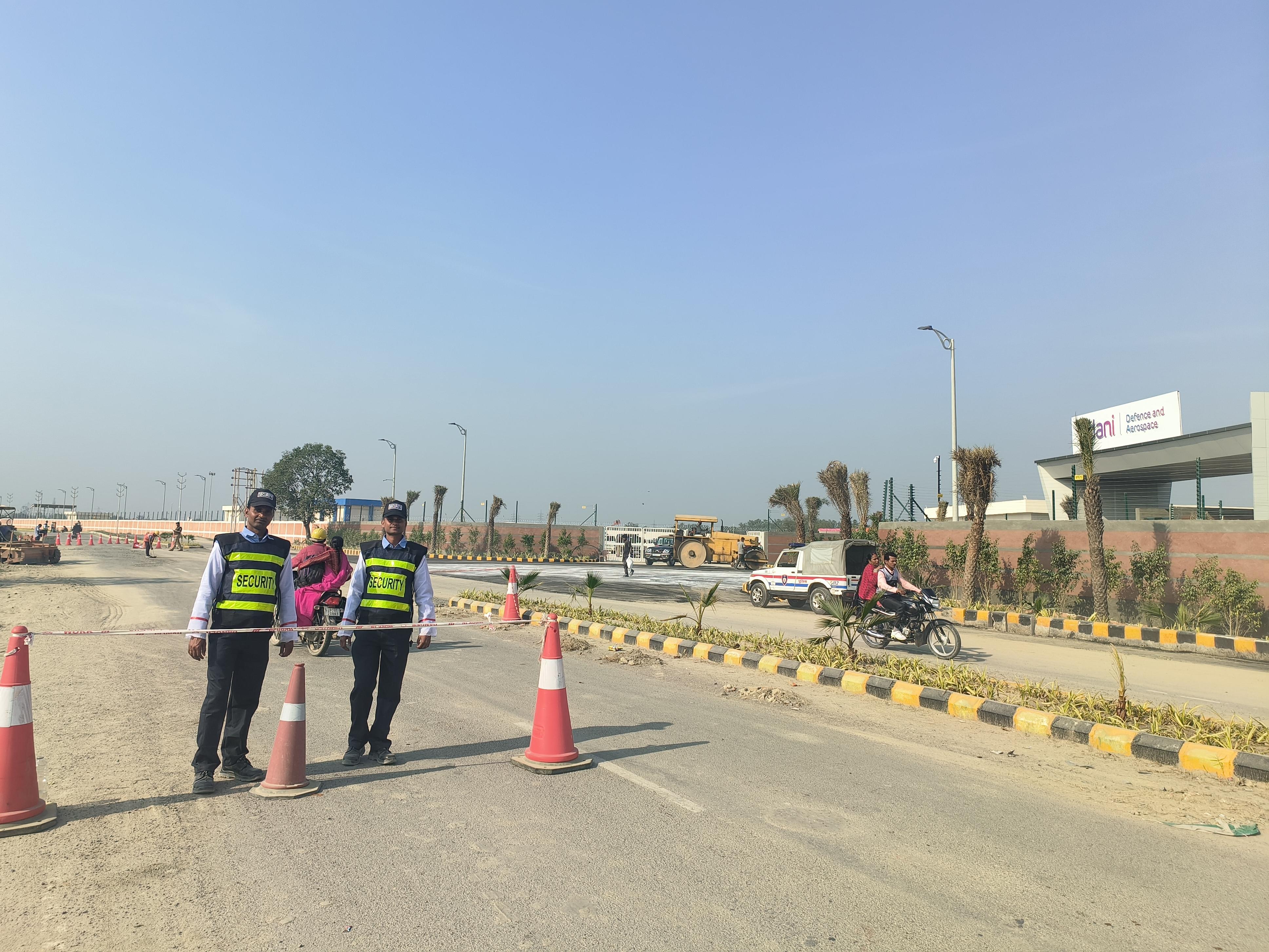
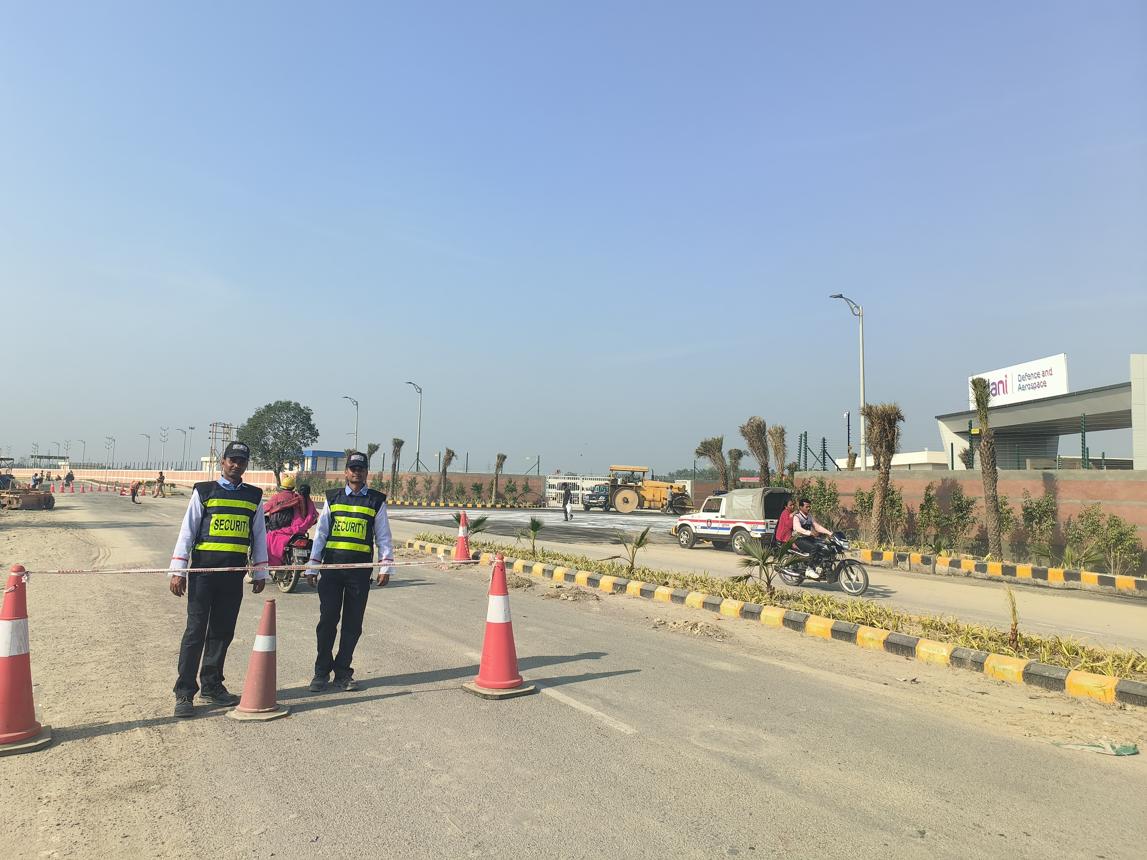
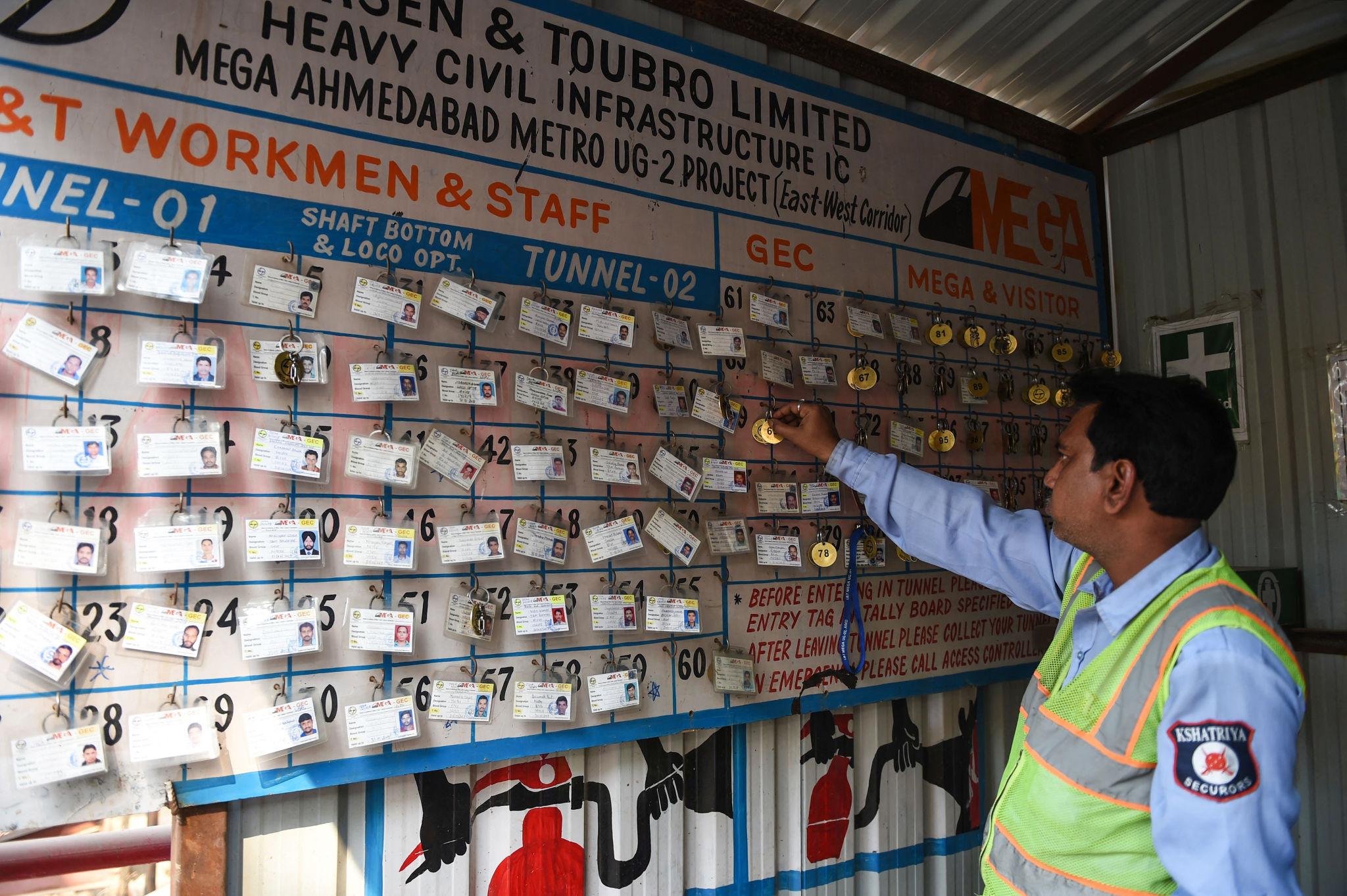
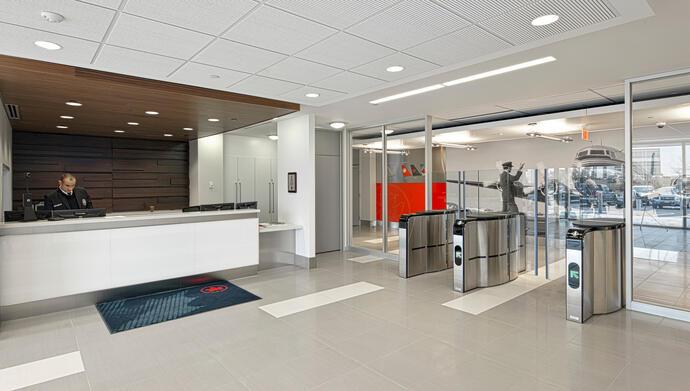
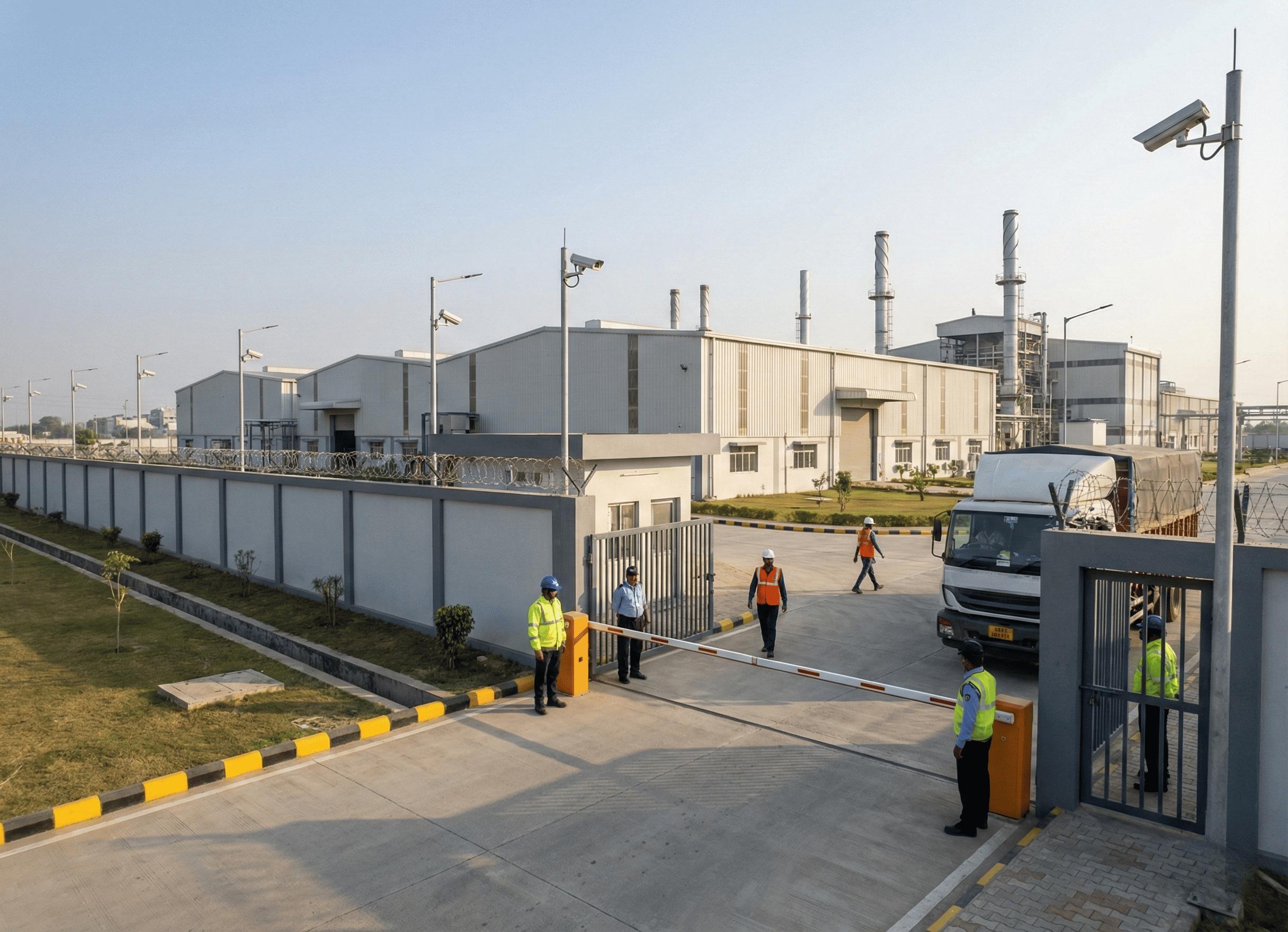
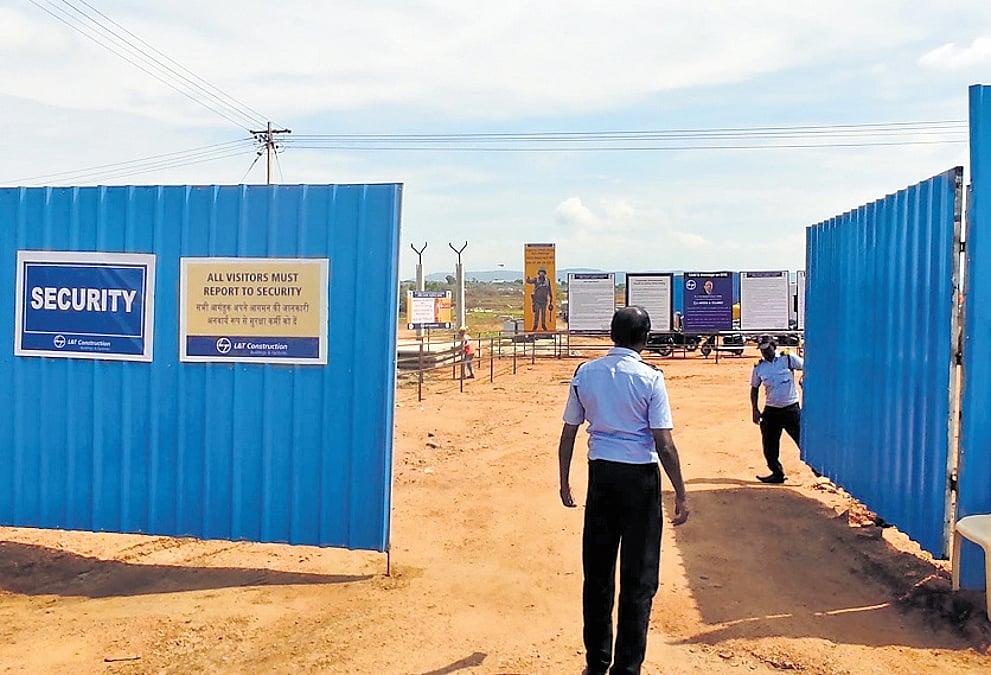

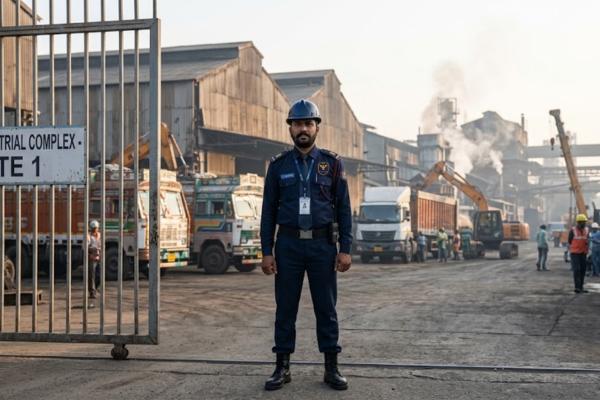
Industrial, Commercial, and Construction Site Security
This category includes providing security arrangements for various types of premises and project sites according to their specific requirements.
A. Industrial Security
- Security for factories and manufacturing units.
- Deployment of security personnel at industrial gates and entry points.
- Maintaining records of employee and authorized visitor entry.
- Maintaining vehicle entry and exit records.
- Recording the movement of materials according to established procedures.
- Monitoring warehouses, storage yards, and industrial premises.
- Coordinating security arrangements during shift changes.
- Conducting premises inspections according to the client's approved security policy.
- Reporting incidents and security violations.
- Coordinating with the authorized control room or management team.
B. Commercial Security
- Security for corporate offices.
- Approved security services for banks and commercial establishments.
- Security for shopping malls and commercial complexes.
- Security at hotels, restaurants, and other commercial premises.
- Security for hospitals and healthcare institutions.
- Access control at educational institutions.
- Coordinating parking and vehicle movement.
- Visitor registration and reception security assistance.
- Premises monitoring according to authorized security procedures.
C. Construction Site Security
- Security for road and infrastructure projects.
- Deployment of security personnel at building construction sites.
- Monitoring site gates and entry points.
- Maintaining records of construction material entry and exit.
- Security for machinery, equipment, and storage areas.
- Recording the entry of authorized employees and visitors at project sites.
- Deployment of security personnel during night shifts.
- Security for temporary site offices and storage facilities.
- Reporting security incidents to the project management team.
- Managing security duties according to the prescribed site security plan.
D. Allied Security Support
- Visitor management.
- Maintaining gate pass records and entry registers.
- Maintaining vehicle entry registers.
- CCTV monitoring in accordance with established procedures.
- Providing authorized operators for security control rooms.
- Assisting with emergency contact arrangements.
- Supporting trained personnel in fire safety and emergency evacuation procedures.
Important Note: CCTV operations, fire safety, and other specialized services must comply with applicable technical qualification, training, certification, and authorization requirements wherever necessary.
3. Security Workforce Coordination
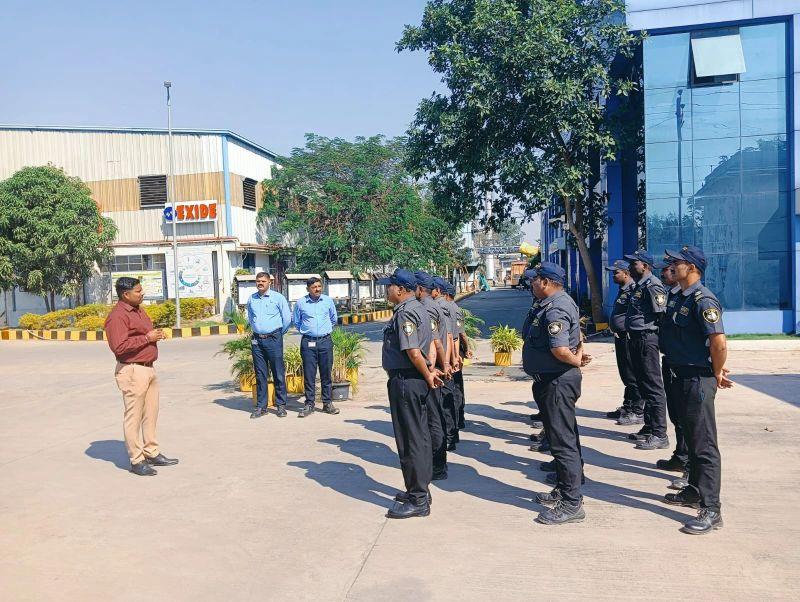
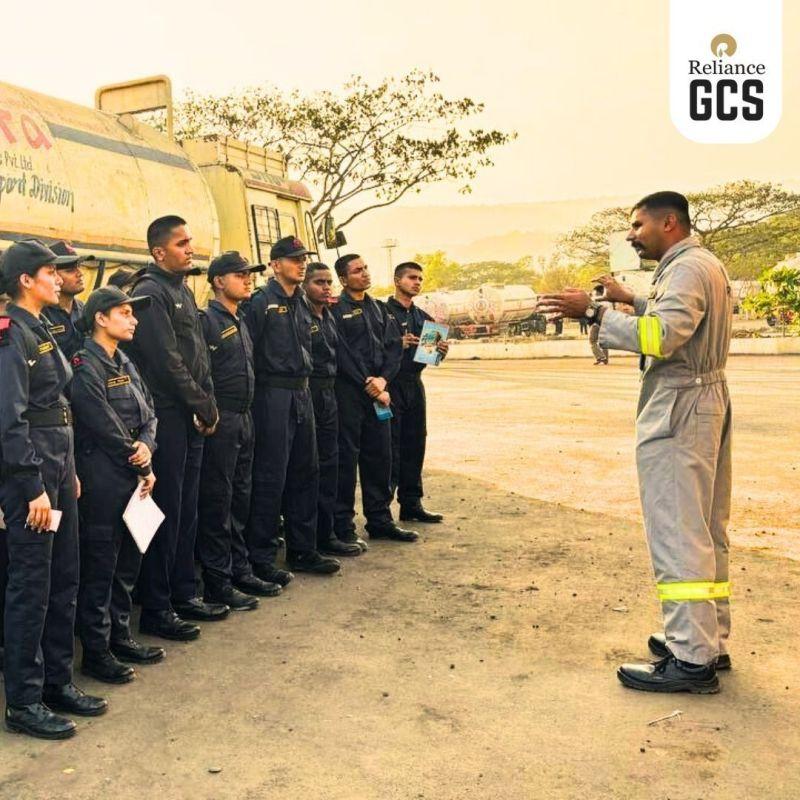

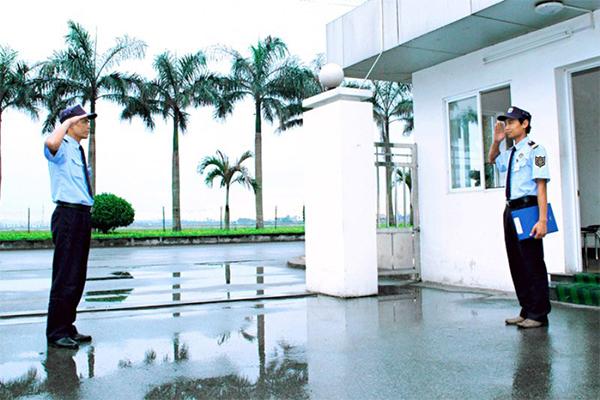
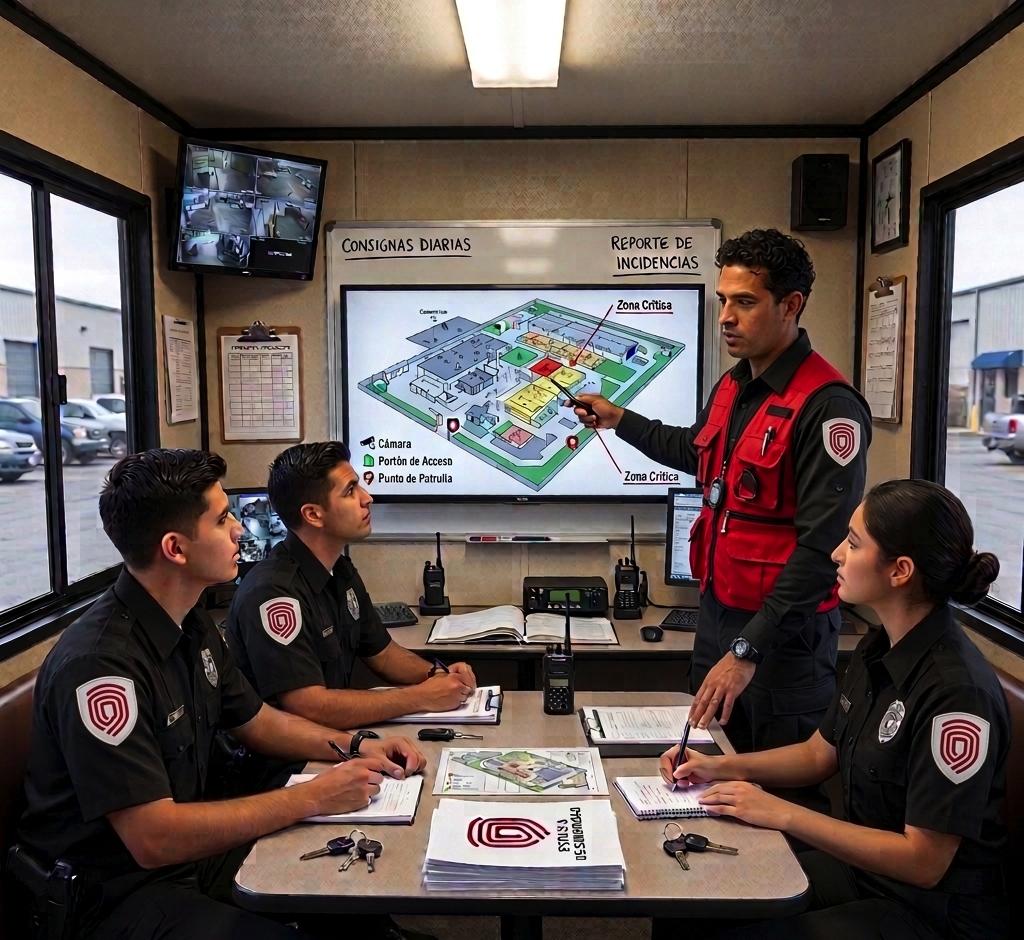


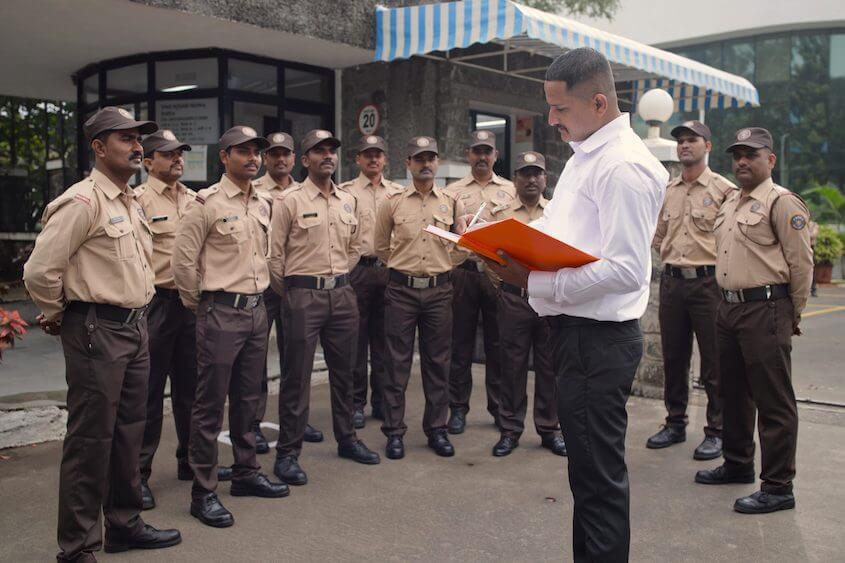
Security Workforce Coordination and Management
The objective of this category is to systematically manage the duties, attendance, shifts, reporting, and replacement arrangements of security personnel deployed across multiple locations.
A. Security Workforce Planning
- Assessing the client's security requirements.
- Determining the required number of security guards.
- Preparing duty schedules according to security posts and shifts.
- Determining the requirement for security supervisors.
- Deploying personnel according to their qualifications and training.
- Arranging replacements for employees on leave or absent from duty.
- Planning workforce requirements for multi-site security contracts.
B. Attendance and Shift Management
- Maintaining attendance records of security personnel.
- Preparing duty rosters.
- Coordinating shift changes.
- Maintaining deployment records according to assigned duty posts.
- Arranging replacements for absent employees.
- Maintaining overtime records and coordinating approvals according to the contract.
- Preparing monthly duty statements.
C. Supervision and Performance Monitoring
- Monitoring the performance of assigned duties at security posts.
- Reviewing the duty records of security guards.
- Evaluating performance according to client requirements.
- Reporting security-related incidents.
- Reporting negligence or procedural deficiencies during duty.
- Coordinating between security supervisors and clients.
- Arranging training and corrective actions whenever required.
D. Training and Compliance Coordination
- Verifying the necessary documents of employees.
- Maintaining records of security training in accordance with applicable regulations.
- Arranging prescribed uniforms and identity cards for duty personnel.
- Providing guidance on visitor management and access control procedures.
- Providing training in emergency response and incident reporting.
- Coordinating shift handovers according to established procedures.
- Coordinating employee conduct and workplace discipline.
E. Documentation and Reporting
- Daily attendance registers.
- Duty post registers.
- Visitor and vehicle entry records.
- Shift handover registers.
- Incident reports.
- Supervisor inspection reports.
- Monthly security duty statements.
- Training and employee documentation records.
Potential Clients: Industrial Units, EPC Companies, Government and Private Offices, Hospitals, Educational Institutions, Commercial Complexes, and Construction Projects.
4. Security Services Subject to Applicable Licences and Statutory Requirements
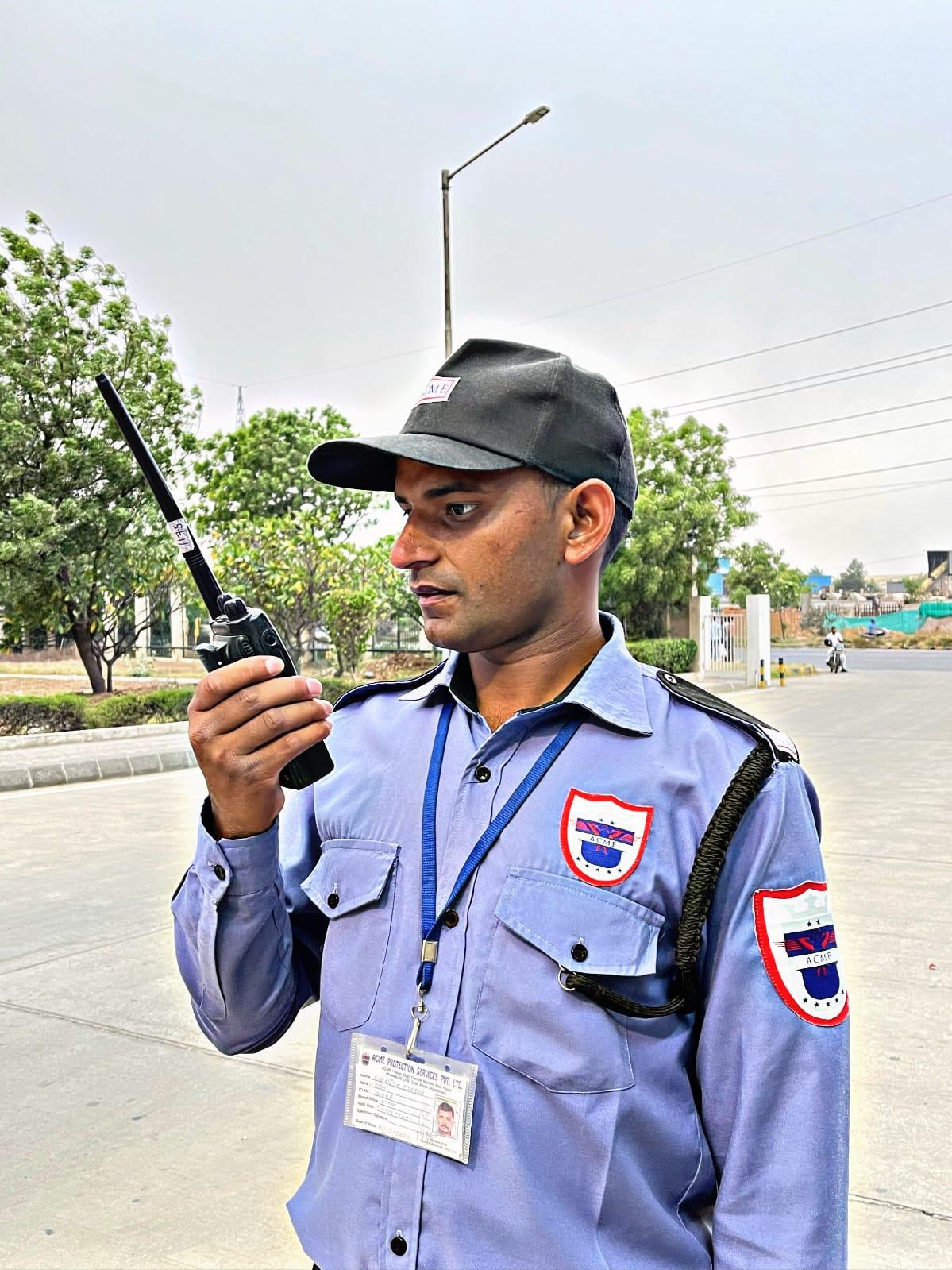



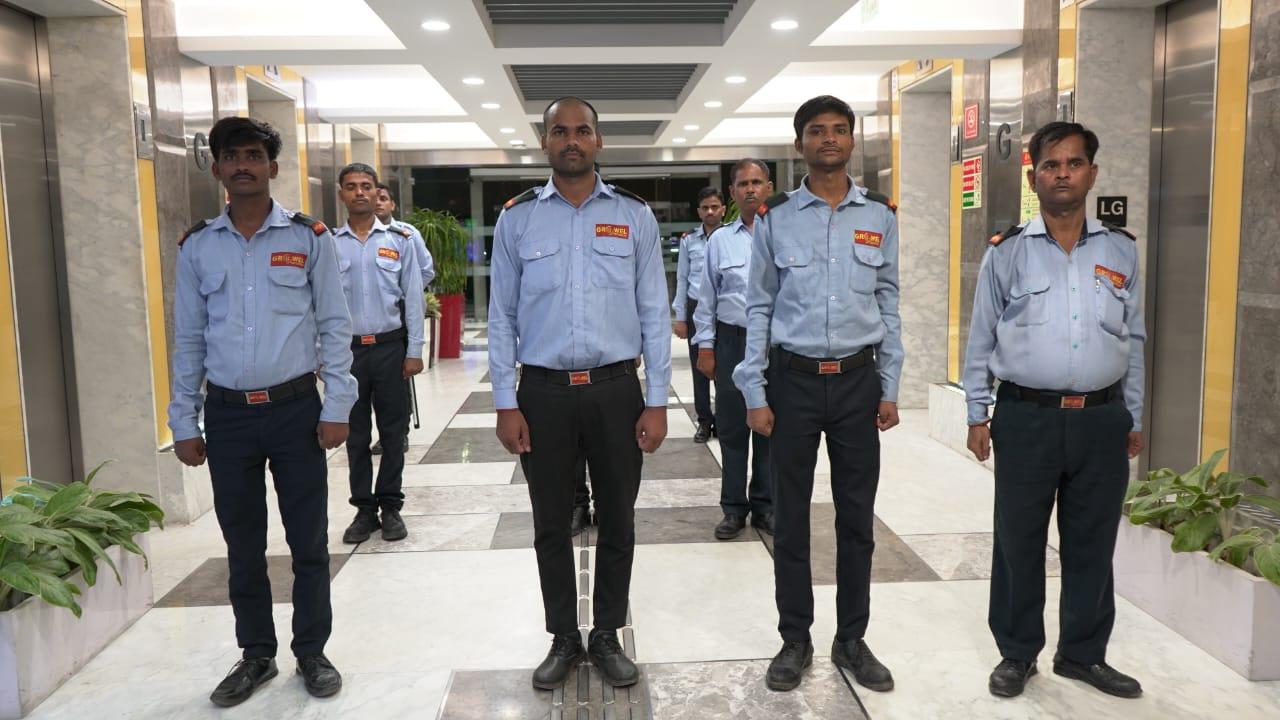



This category covers the provision and operation of security services in accordance with applicable laws, state licensing regulations, training requirements, and client contracts.
A. Licensing and Registration
- Obtaining the applicable PSARA license for a private security agency.
- Preparing applications and documentation in accordance with the relevant state regulations.
- Maintaining the company's legal and business documents in an organized manner.
- Ensuring that security personnel meet eligibility criteria and undergo the required verification.
- Complying with applicable training requirements and other prescribed conditions.
- Maintaining records of license validity, renewals, and applicable terms and conditions.
B. Personnel Verification and Training
- Verifying the identity and documents of security personnel.
- Arranging police verification in accordance with applicable regulations.
- Organizing the prescribed security training.
- Providing uniforms and identity cards according to duty requirements.
- Training personnel on the client's security procedures.
- Providing guidance on emergency response and incident reporting.
- Ensuring compliance with prescribed conduct and discipline rules.
C. Statutory and Employment Compliance
- Complying with applicable minimum wage and wage payment regulations.
- Ensuring EPF and ESI compliance, wherever applicable under the relevant laws.
- Following regulations concerning working hours, weekly holidays, and overtime.
- Maintaining appointment and employment records.
- Maintaining employee documentation in accordance with applicable labour laws.
- Executing written service agreements with clients.
- Maintaining billing, tax, and other statutory records.
D. Contract and Service Management
- Assessing the client's security requirements.
- Defining the scope of work and service duration.
- Determining the number of personnel to be deployed and their duty shifts.
- Establishing supervision and reporting arrangements.
- Defining monthly billing and payment terms.
- Establishing complaint resolution and personnel replacement procedures.
- Reviewing service quality in accordance with the contract.
Important Note
The requirement for a PSARA license, the application process, and other applicable conditions depend on the relevant state's regulations. Before operating a security agency in Uttar Pradesh, the current requirements should be verified with the appropriate state authority.
Security services must be provided within the permitted scope only after obtaining the required licenses and applicable statutory approvals.